This is one of the questions we get all the time. Why is this bottle $22 and that one $75, and is it actually worth it? The short answer is sometimes yes, sometimes no. It depends on what you are looking for and what matters to you.
I say this a lot in the shop, and I really mean it. Price is not a quality indicator. It can reflect many things, but it does not automatically mean better.
Most of what drives cost starts long before the wine is in the bottle. It starts in the vineyard. Farming matters more than people think. Lower yields, hand harvesting, organic or biodynamic practices all take more time and more labor. When a producer is focused on quality over quantity, they often make less wine to begin with, which usually means a higher price.
Where the vineyard is matters, but so do who owns it and how long they have owned it. In some parts of the world, land has been in the same family for generations, sometimes centuries. The vineyards are established, the equipment is paid for, and there is a long history of working that land. In other places, producers are still paying off land, building wineries, investing in equipment, and taking on significant financial risk to get started. Those realities show up in the price of the wine, even if you do not see it on the label.
Location still plays a role. Land in places like Napa or Burgundy is expensive, and that cost gets built into the bottle whether you like it or not. At the same time, there are smaller, lesser-known regions where land is more affordable, and the wines can seriously overdeliver. That is where we spend a lot of time looking.
Time is another factor. Some wines are released quickly, while others sit in barrels or bottles for years before reaching the shelf. That is a real cost to the producer. They are holding onto that wine, storing it, waiting for it to be ready, and not making money on it in the meantime.
There are also cellar choices that can affect price. New oak, longer aging, more hands-on work. All of that adds up. Whether it makes the wine better depends on what you like.
And then there is the part that has nothing to do with how the wine tastes. Reputation, demand, and hype. Some wines cost more because people are willing to pay more for them. That does not always mean they are better. It just means they are more recognized, harder to find, or talked about more.
So is a more expensive wine worth it? Sometimes it is. There are wines that have more depth, more nuance, and a stronger sense of place. Wines that shift in the glass and stay with you after you finish the bottle. Those can be worth spending more on, especially when you want to slow down and pay attention.
But there are also so many wines in the $20 to $30 range that are beautifully made and exactly what you want on a random night. That does not make them less meaningful. It just means they are serving a different purpose.
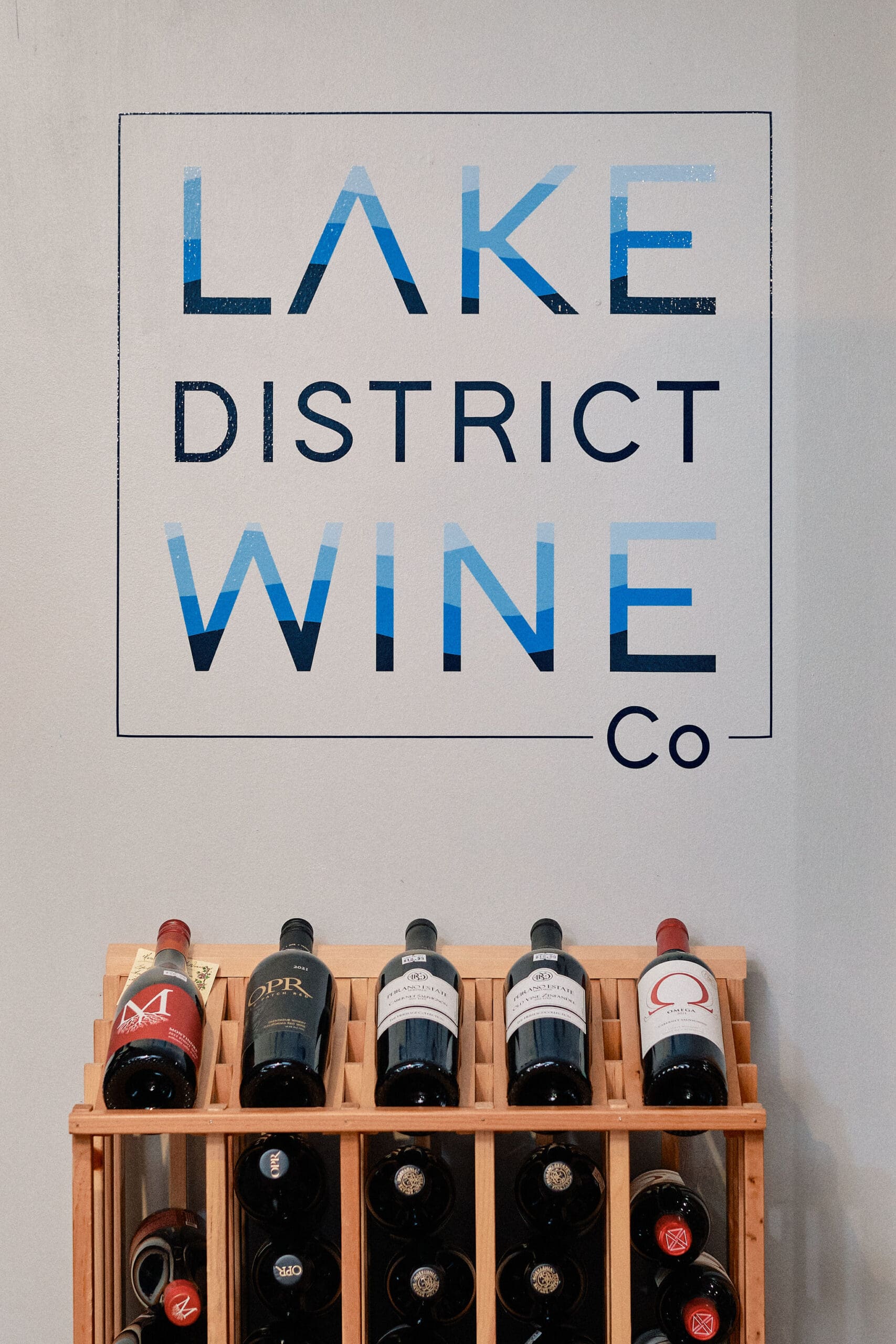
We think about this a lot when we are choosing what goes on the shelf at Lake District Wine Co.. Price matters, but it is never the deciding factor. What matters is whether the wine feels honest, whether it overdelivers for its price, and whether it fits into real life.
The goal is not to convince you to spend more. It is to help you spend well. Sometimes that means splurging on something special. Sometimes it means finding a bottle that hits way above its price and keeping a few of those around. Both matter.

